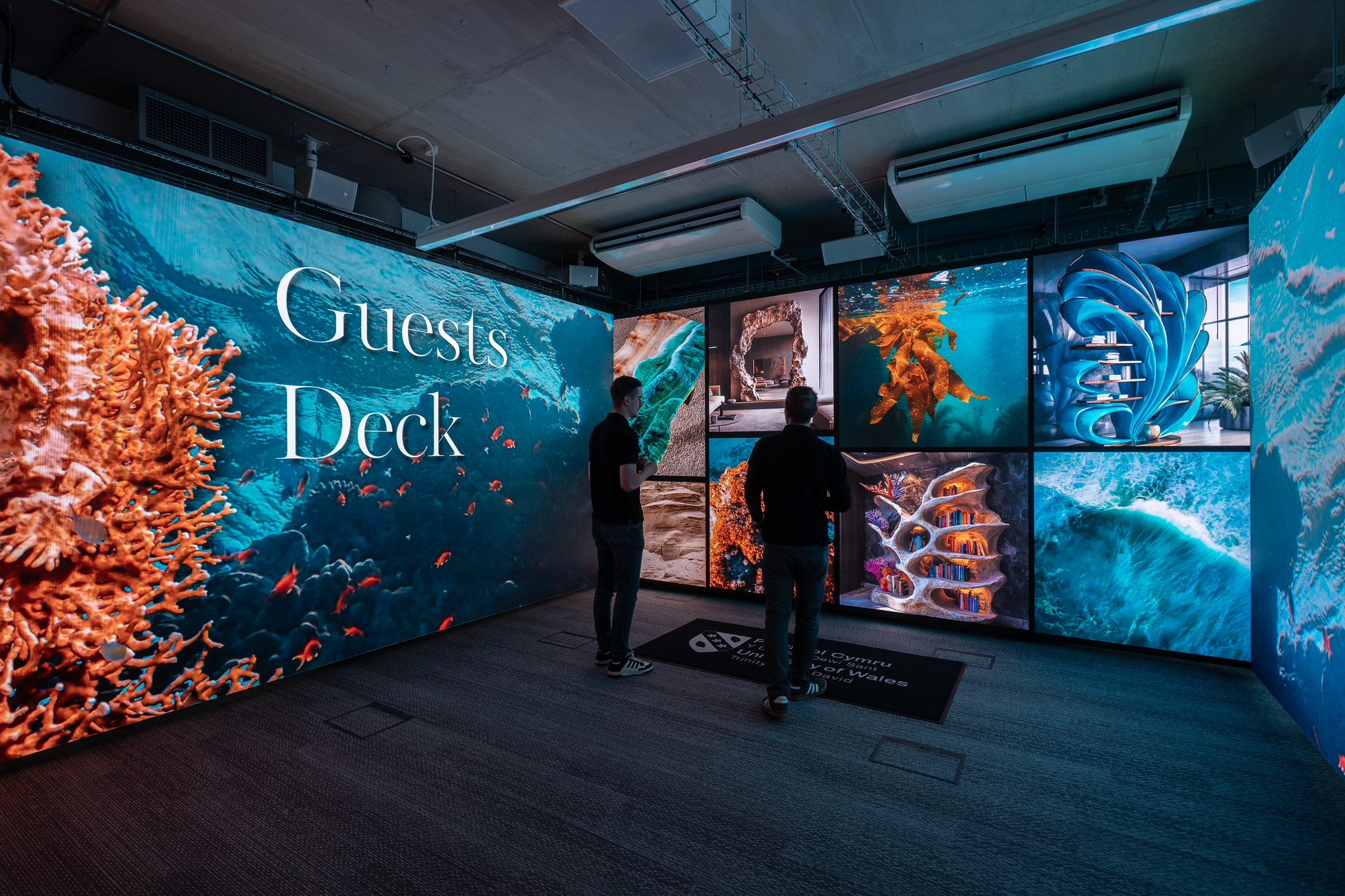
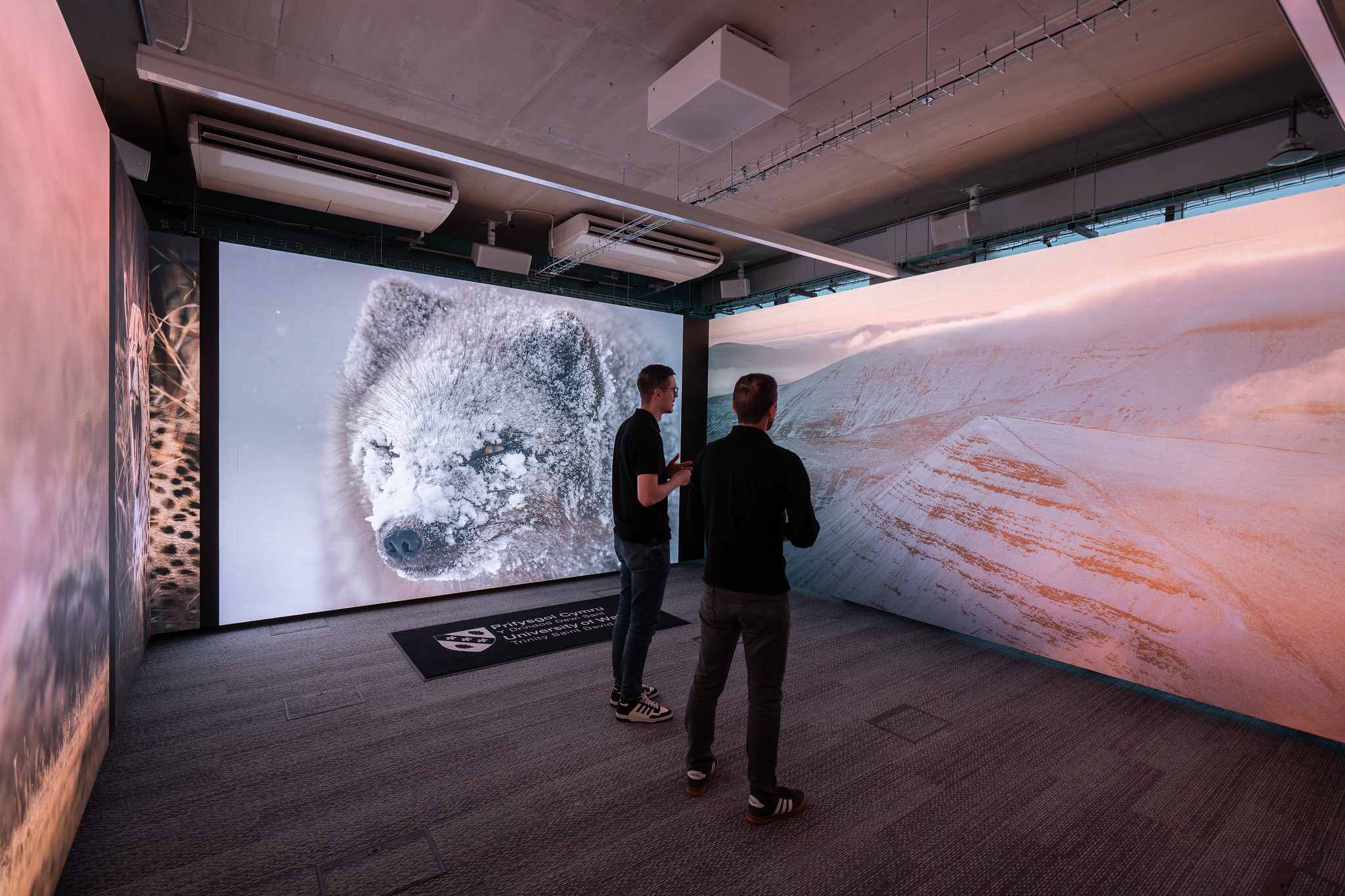
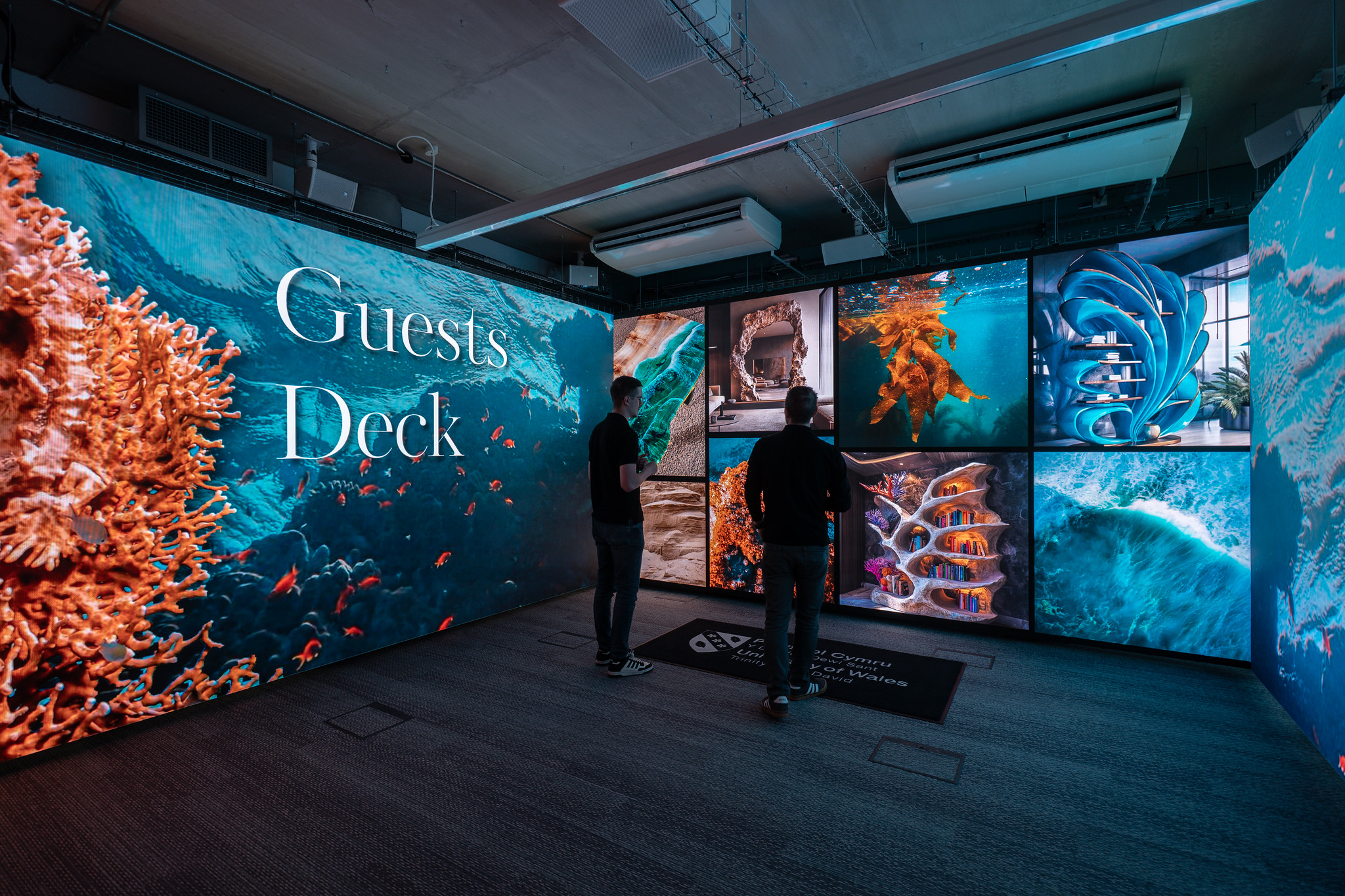
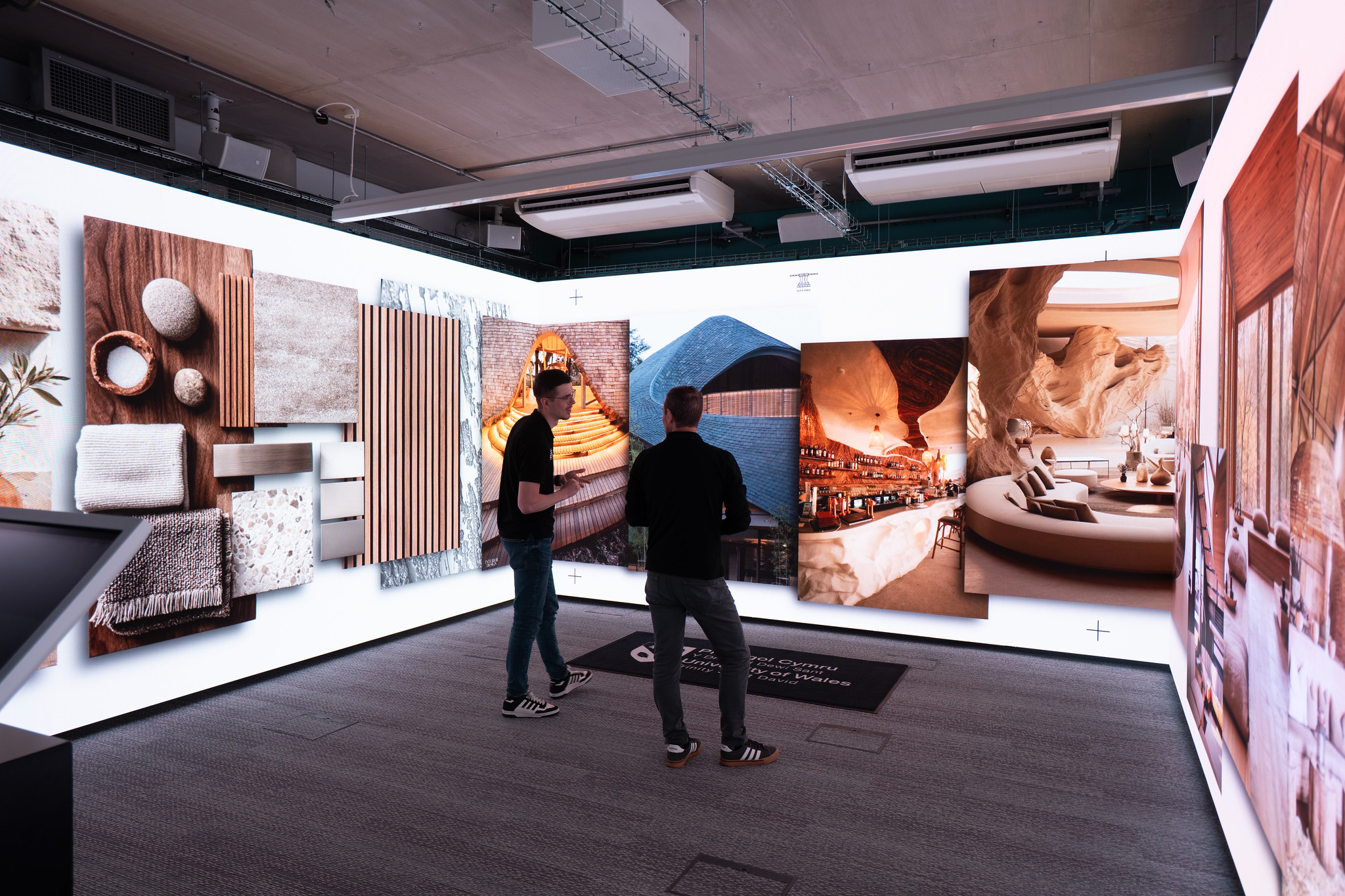
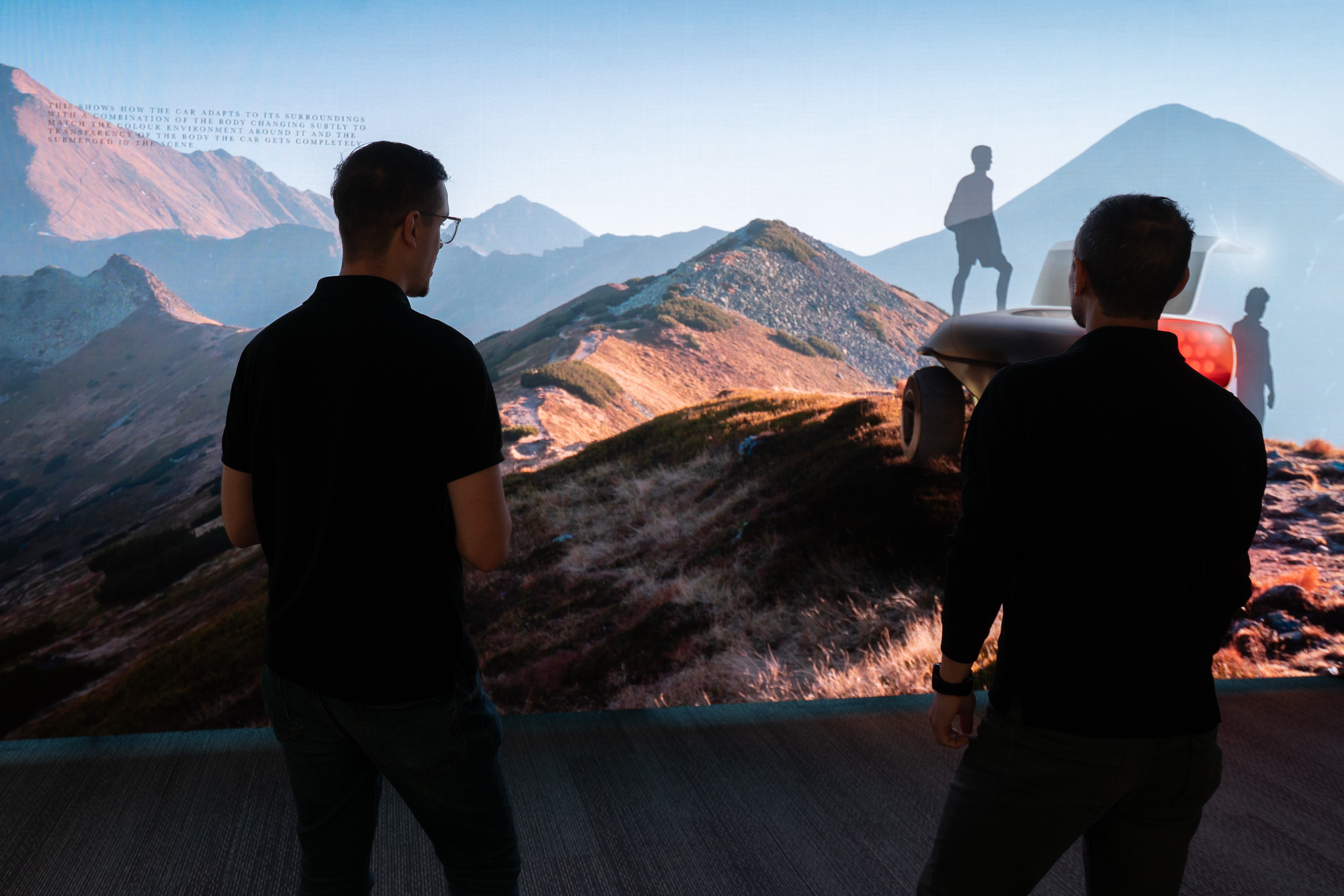
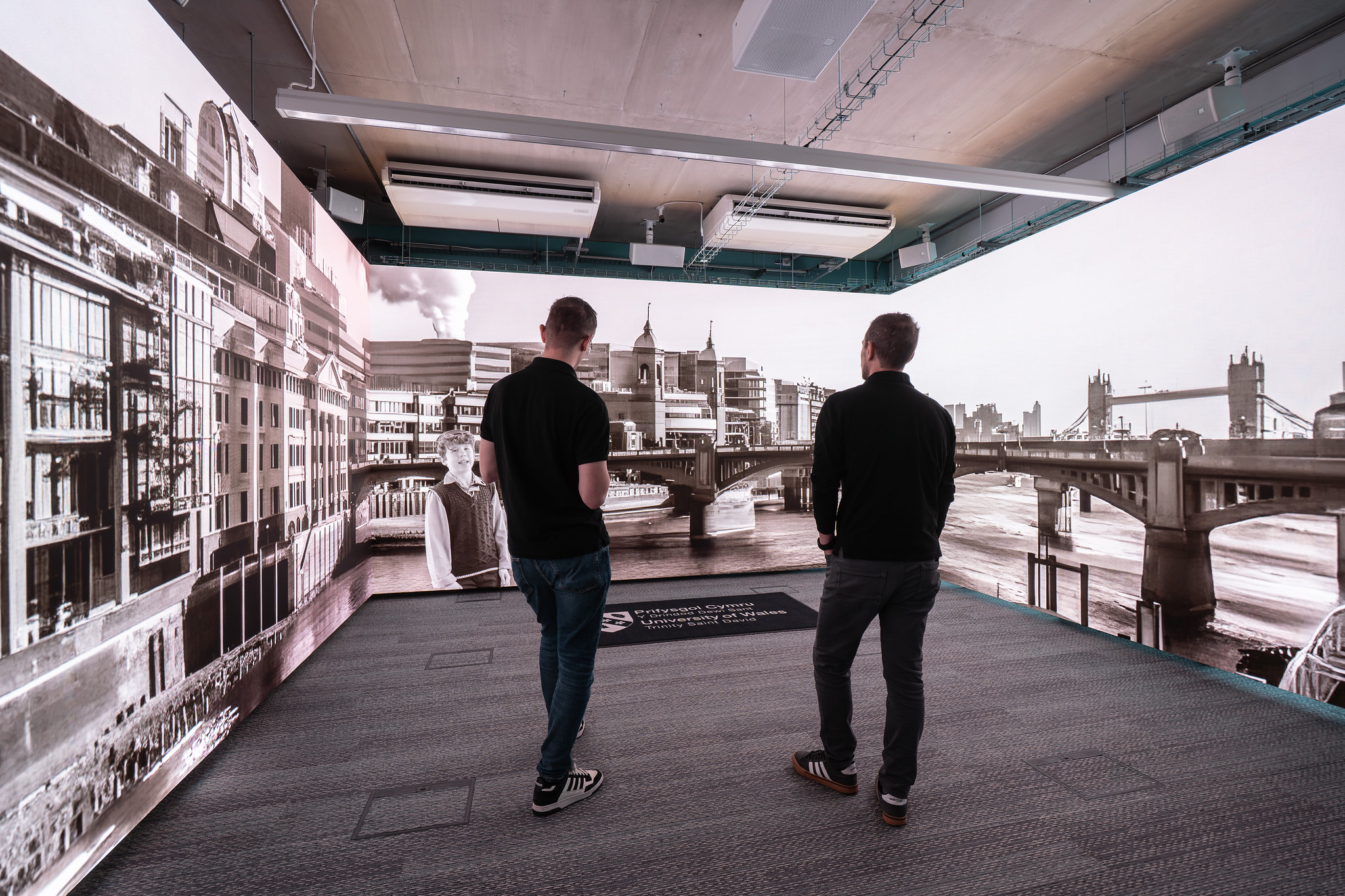
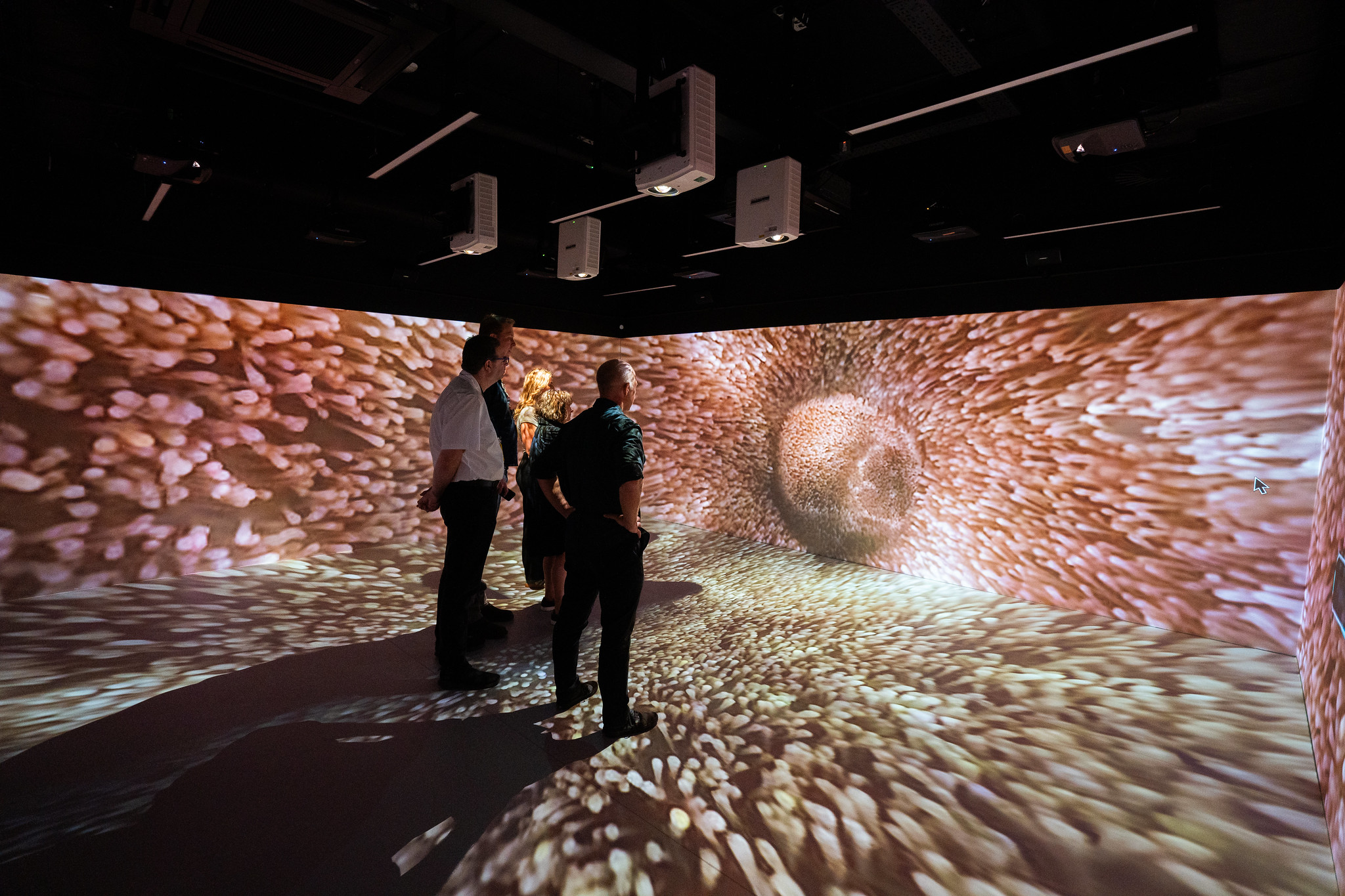
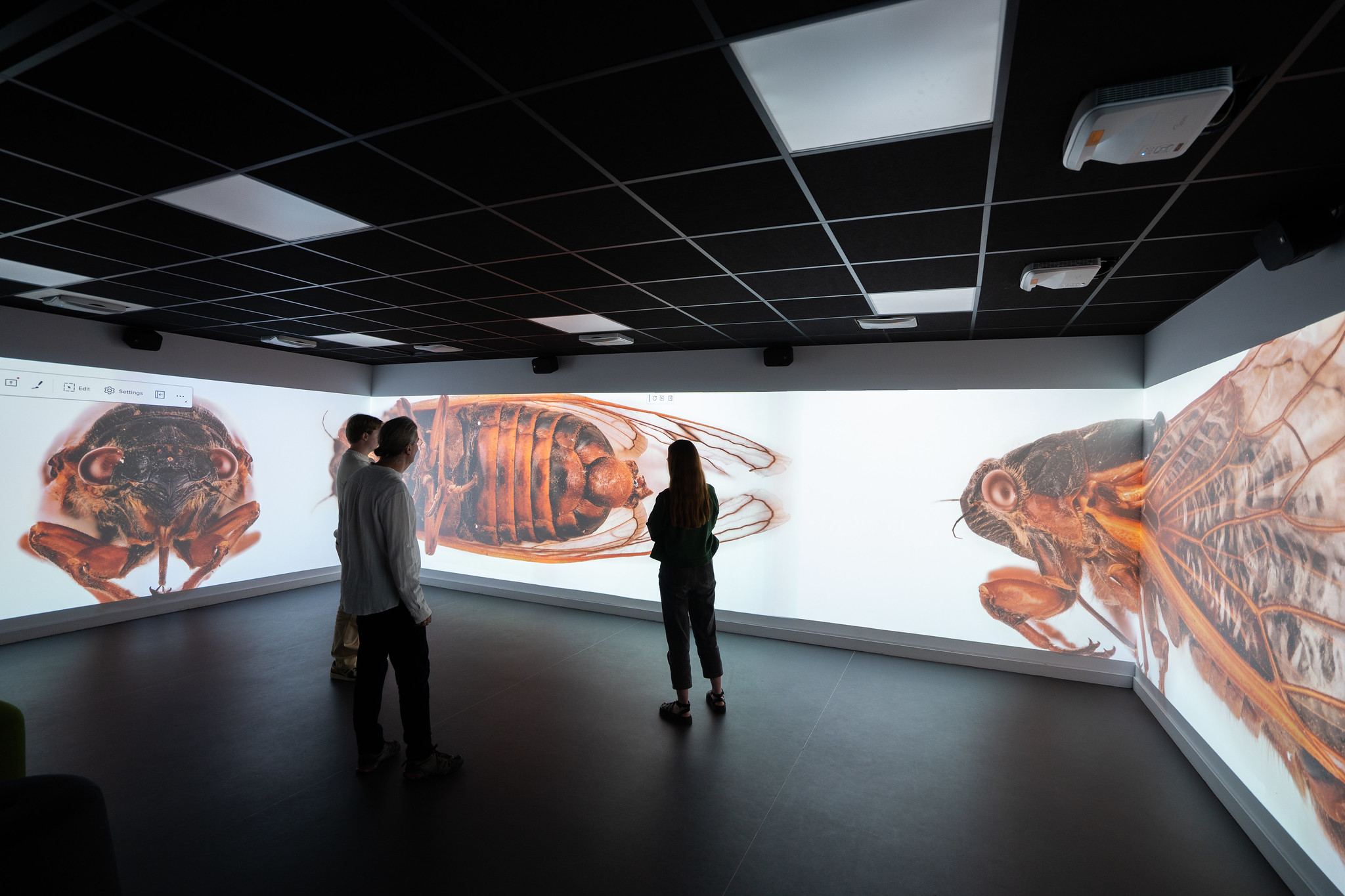
As a pure spectacle, the LED solutions are unmatched. Thanks to the LEDs' pixel density, colour accuracy, and brightness, content is rendered picture-perfectly. This creates not only a higher level of engagement among students, but also allows for more accurate learning with its sharp imagery.
But this space was not built just for spectacle; it is a practical tool in daily use from departments across the university, with statistics including:
- Over 12,000 students and 85 courses using the space during the academic year 2025/26 from September to May.
- 1,900 hours of in-space teaching to help achieve teaching and learning objectives
- 294 external sessions, including visits and demonstrations, bringing together both prospective students and local and national organisations into the immersive environment.
Igloo Core Engine is essential to the daily use of the space. With its True Perspective feature automatically formatting the content to the dimensions of the room, multiple content types can be easily used in a single session, and there is minimal downtime in between sessions due to its cloud storage of sessions.
UWTSD is a pioneering user of the Triggers and Actions automation feature in Igloo Core Engine, which lets users set custom 'Actions' based on user-defined 'Triggers', helping keep engagement high with as few button presses as possible. In its early days at the university, Triggers and Actions was used for simple automations, such as video or music playback, but this has since developed into more complex branching scenarios. The most popular use case today is for fully interactive digital 'escape rooms', which allow students to click on elements in the environment to then solve puzzles or learn more about a particular object.
Triggers and Actions is a popular choice at the university due to both driving engagement and also allowing the teacher to assess how each child learns, whether they are cognitive or hands-on, who the leaders are within the group, who is more passive, and so on. These escape rooms have proven so successful across departments that plans are in place for even more complex scenarios that bring real-life physical props and mixed reality headsets in for ultra- immersive dual-reality experiences.
Like many organisations, a large majority of the 3D content used is created in Unity and Unreal, as well as 3DS Max, which is then ported natively into Igloo Core Engine to display in the space. When using this 3D content within the space, as opposed to a VR headset, staff at the university have noticed an increase in soft skills as well as increased information retention, showing more of the students' personal character and encouraging peer-to-peer conversations and problem-solving, even amongst students who had not previously met.
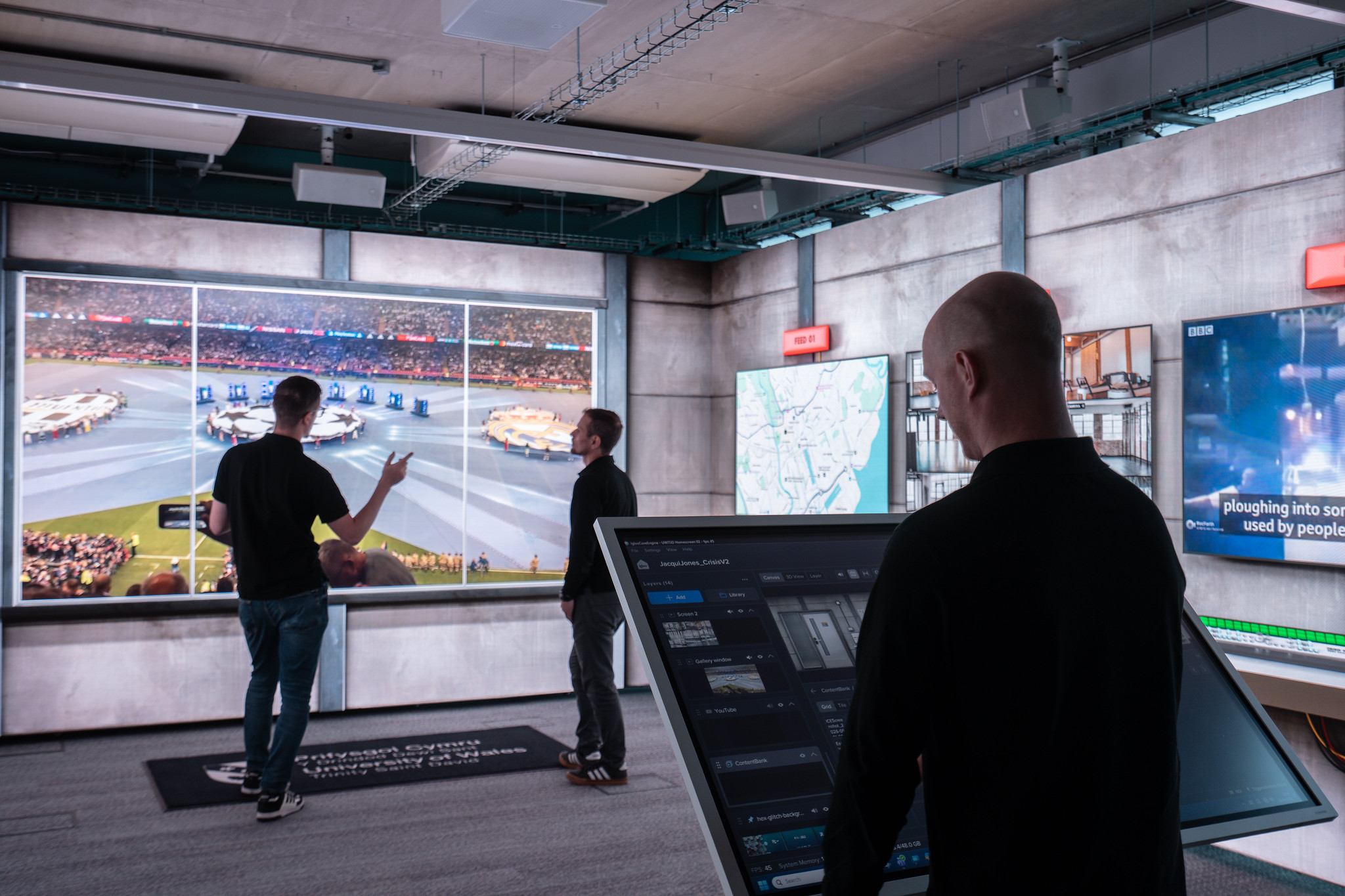
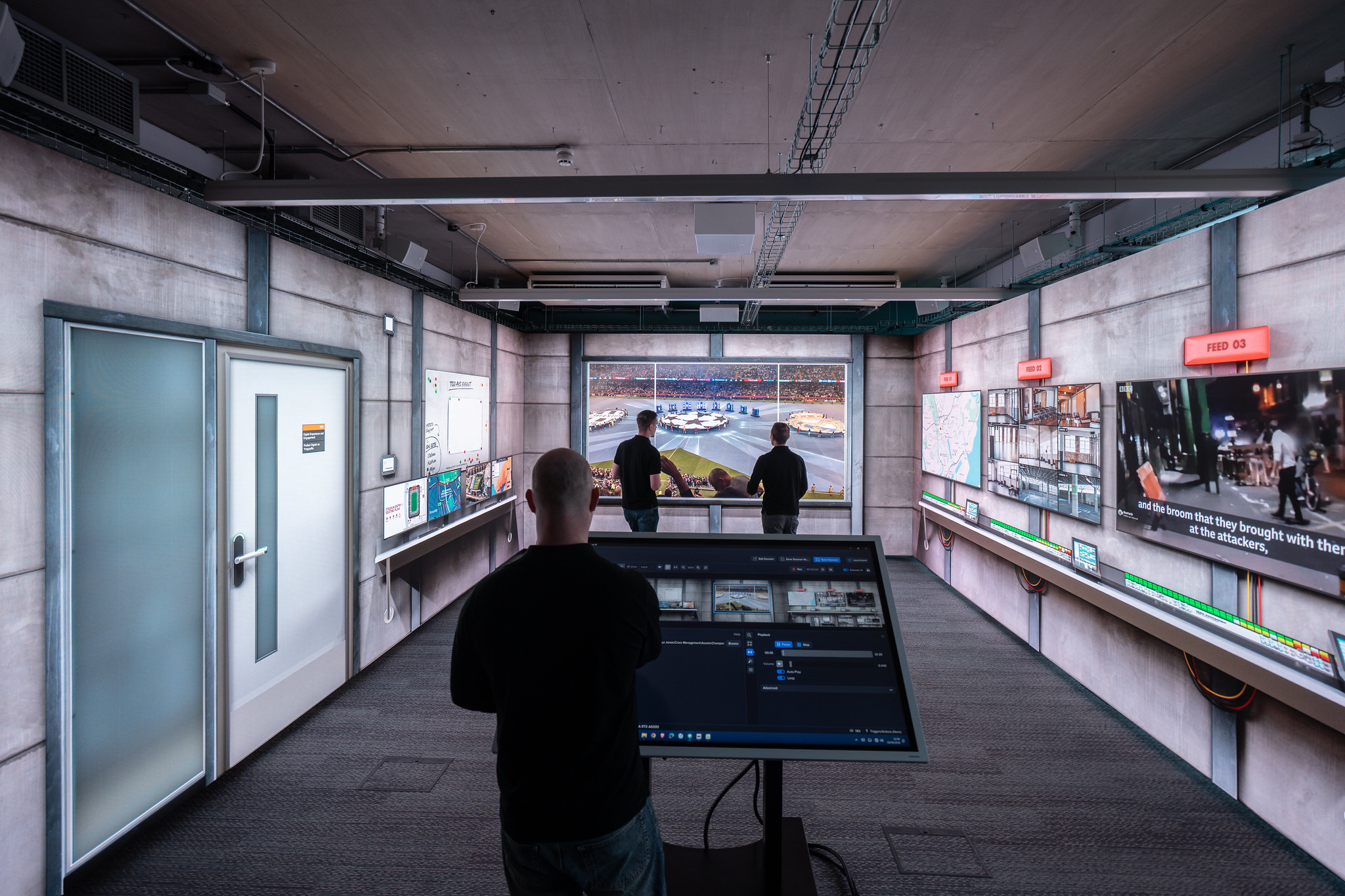
Simulation training is a large part of the teaching that goes on in the space, taking students directly into situations they otherwise wouldn't be able to be in, such as the operational room at a stadium event, elevating the emotional response amongst students and honing communication skills.
Matterport is another tool that sees a lot of use in the space, allowing the university to bring full, navigable 3D environments of existing construction facilities into the space, which can then be used for shared teaching and learning.
The university also uses the space to elevate its simpler tools, such as Google Slides presentations, in a more engaging and visual manner. Nature videos from YouTube 360° have proved popular amongst students, and it also makes use of drones to capture original 360° feeds and content that it can then incorporate into its wider sessions.
Outside of educational use, UWTSD has hosted external stakeholders such as the Kier Group, who use the Revizto software suite within the space to review architectural models and detect design clashes, controlling the experience with an Xbox game controller for intuitive navigation of 3D assets. Having a spatially correct environment that you can stand in and naturally assess scale was essential for Kier Group, whilst recognising that the digital nature of the environment will save time and money in development.
Similarly, John Weaver Construction have hosted health and safety training within the space, using footage from a live building site at different stages of construction, allowing participants to familiarise themselves with breaking ground, installing metal frameworks, brickwork, and rendering - all from one location and one infinitely repeatable session.